Ghana - Takoradi


Go on a once-in-a-lifetime radiography elective placement abroad with Work the World, and you’ll get career-boosting clinical experience in an overseas hospital. Then, you’ll have life-changing travel experiences with new friends in your free time.
You are in total control — you tell us what you want to experience, and we'll tailor your radiography placement abroad to your specific interests. You choose everything from the destination to the kind of hospital or clinic you want to get experience in.
You’ll find the experience to be eye-opening. And that’s true whether you’re undertaking an elective for radiography students or graduates.
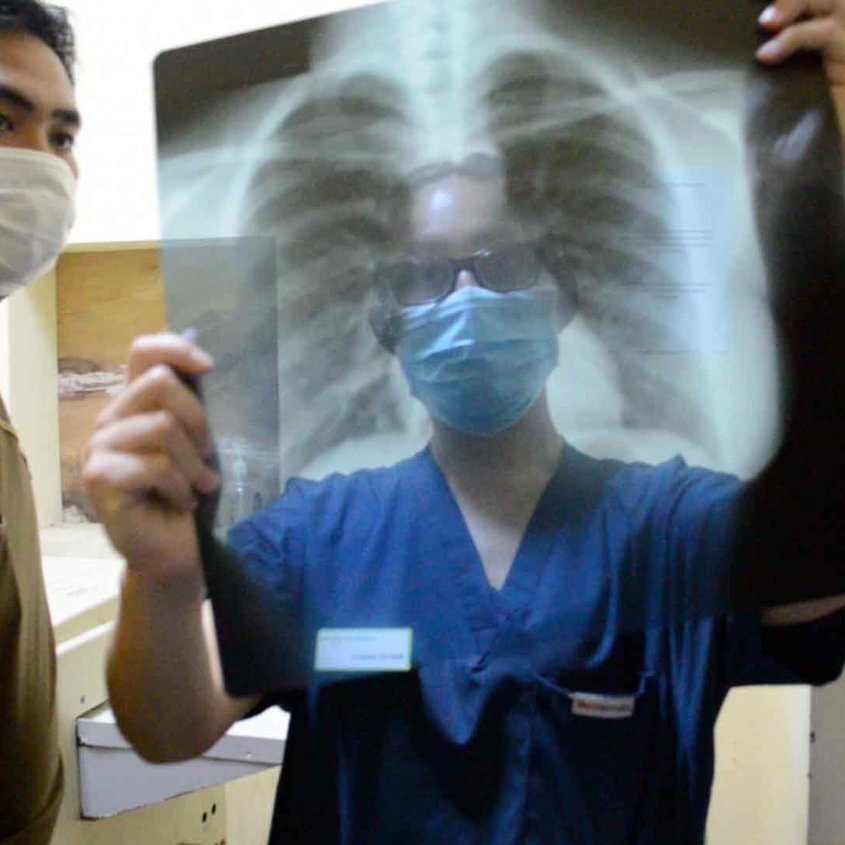
"One of the major differences was that they print CT, MRI and X-ray images onto film." - Celyn, University of the West of England - Read more radiography reviews here
A radiography placement abroad is all about challenging what you know and seeing the discipline through a new lens. You’ll realise, alongside English-speaking clinical supervisors, that things we take for granted in the UK — like digital diagnostic equipment — are luxuries compared to what’s available in some of our destinations.
Some things you will observe on your radiography elective placement include:
You'll also see big differences in the fundamentals of radiography abroad. In many of our destinations, protocols around radiation protection for staff and patients' families are lax compared to what you're used to.
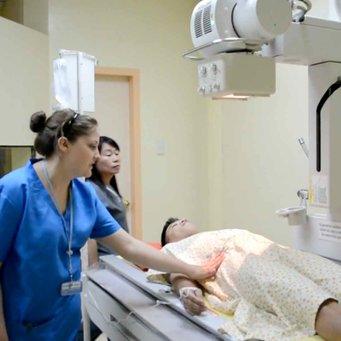
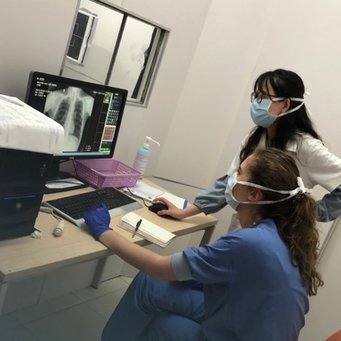
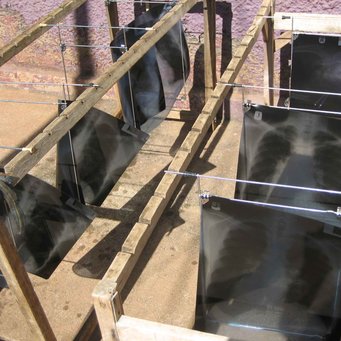
Work he World's long-established international hospital partnerships let us tailor your radiography placement abroad down to a level of detail that would be impossible if you were trying to organise your trip independently.
The partnerships also allow us to guarantee things like your hospital placement, supervision, and your choice of departments. You'll get detailed information on all of the above long before you travel.
You also get an exceptional level of flexibility should you want to amend your radiography elective choices while you're overseas. All of this means you can create a placement suited perfectly to you, without the risk of your elective plans falling through.
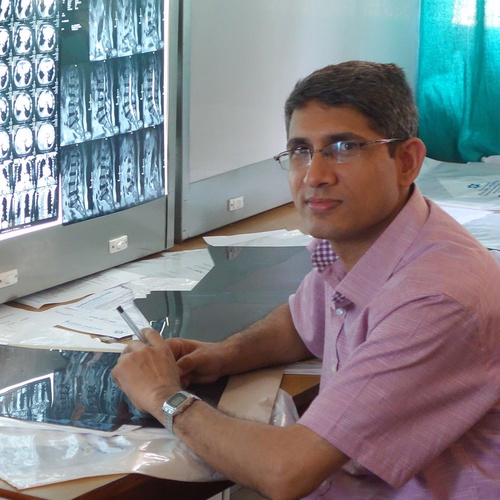
As a radiography student or graduate, your clinical placement is the focus of your trip. But your free time in the afternoons and weekends will be packed full of experiences like:
Explore your destination options below to get a real sense of opportunity for adventure.

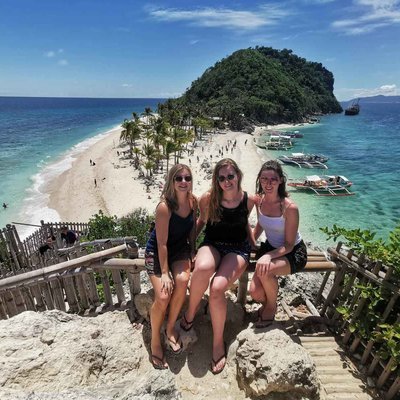
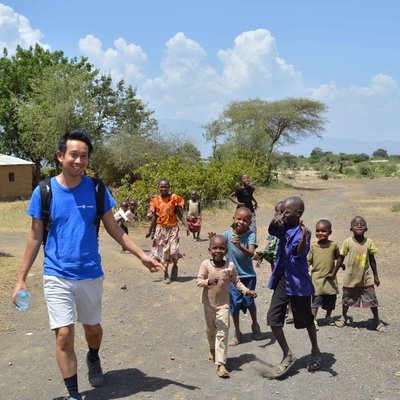
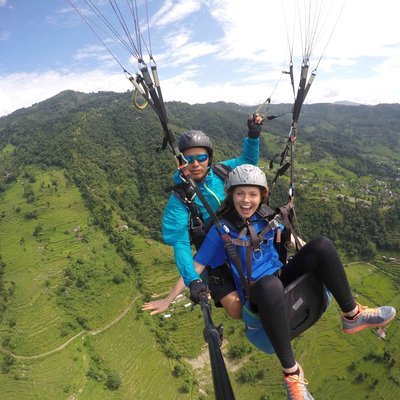
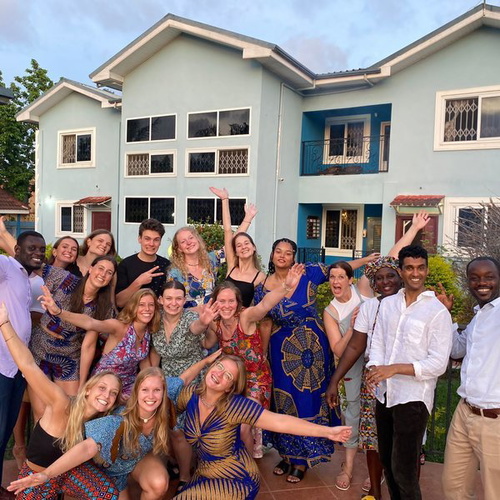
While you’re with us, you’ll stay in one of our private, catered houses, reserved exclusively for healthcare students and graduates on a Work the World programme. You’ll share the experience with like-minded peers, creating a supportive home-from-home throughout your overseas placement.
Think BBQ nights, karaoke, swimming pools, and a home-from-home to return to after a day on placement.
The service you get with us is end-to-end. That means we will support you before, during and even after your trip.
You'll get:
Arrivals are every Sunday, 52 weeks of the year — travel on your radiography elective when it suits you. Durations of hospital placements for radiography students start from one week.


"I learnt a lot about resilience in tough working environments from Nepal"
Jess Trask, University of Leeds, 2026
Read more
"I never really 'take risks.' But honestly? This has been the best decision of my life."
Lana Ali, Inholland University of Applied Sciences, 2025
Read more
"I know I’ll be returning home with so much gratitude for the resources I have in my hospital
Dayna O'Shannessy, Monash University, 2025
Read more
"I got to pick what I wanted to do and how long to spend in each area. It gave me more of a variety of opportunities than at home."
Abigail Zipfell, Teesside University, 2025
Read more
"From the techniques and machines to the staff roles and hierarchy, there were plenty of differences."
Zoe Ross, Teesside University, 2024
Read moreTravel with the longest-established, most trusted healthcare-specific provider, and make the most of every moment.
Read moreRead about the two main benefits you'll miss if you register late...
Read moreA Work the World radiography elective abroad gives you the chance to undertake a clinical placement in the developing world. You will spend time in a low-resource hospital and see unfamiliar practices and advanced conditions. You can even choose the departments you want to rotate through. Learn more here.
The benefits of our radiography electives include:
A radiography elective placement abroad will allow you to see cases like:
A radiography elective placement is as long as you want it to be. Our minimum placement duration is one week, but students typically travel on their radiography electives for four weeks. There is no upper limit to how long you can travel.
A radiography elective is a clinical placement that radiography students undertake as part of their degree. If you want to undertake your radiography elective overseas, get in touch with Work the World today.
Need more information? Fill out the form below, and we'll quickly reply with an answer.