- University of Plymouth 2026
- Occupational Therapy, Sri Lanka Kandy
I was inspired to undertake an overseas placement to explore Occupational Therapy practice within a different cultural context and healthcare system. Research about Occupational Therapy in Sri Lanka is limited, as the profession is still growing, so my placement showed me what OT opportunities there are in Sri Lanka. As a newly qualified occupational therapist, I was keen to understand how therapists adapt interventions to meet patients' needs with the resources available.
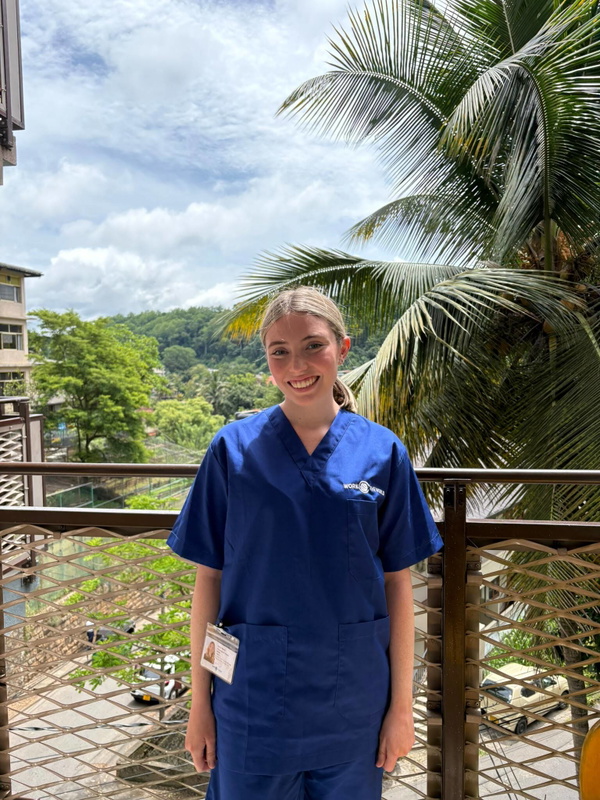
My first impressions of the hospital were organised chaos! The general hospital was very busy and at first felt like a maze. The team made me feel welcome from the minute I stepped into the office and supported me throughout my placement. I was surprised at how well both staff and patients could speak some English. I went between hand therapy and the psychiatric ward. I previously have had placements in a community mental health setting but had no previous experience in hand therapy.
During my placement, I developed both my clinical knowledge and practical skills. I developed my ability to communicate with patients and staff who had very little or no English. I observed how the occupational therapist used diagrams, visual aids and analogies linked to cultural meanings to emphasise the importance of medication, treatment and care plans. I found myself talking with patients who had phobias of speaking English to others and supporting them through exposure therapy and giving them advice on translation methods.
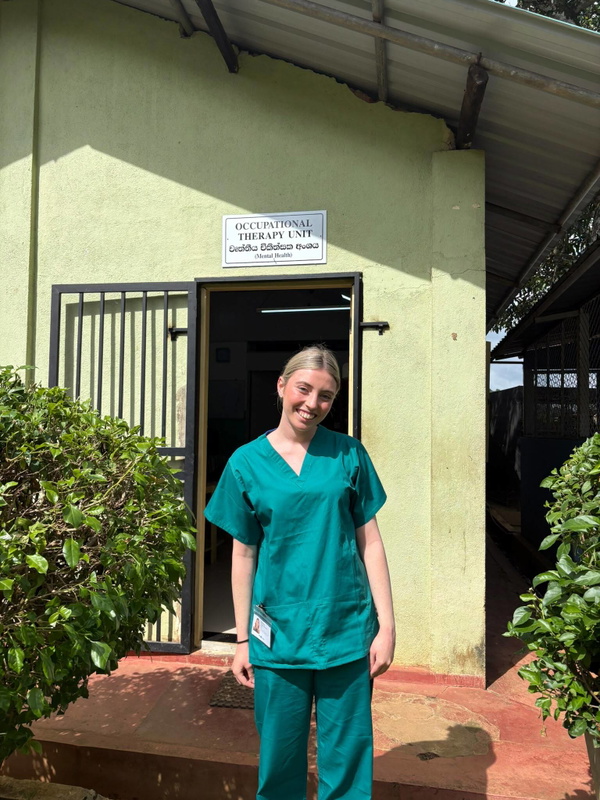
I also learned the importance of relaxation and breathing techniques which were incorporated into educational therapy sessions for all patients with a range of different mental health conditions. Observing this method increased my understanding of holistic and drug-free approaches to supporting emotional regulation, reducing anxiety and promoting overall wellbeing.
My placement taught me that one of the most important aspects of occupational therapy in Sri Lanka is a strong sense of community/family sense within the team to promote effective multidisciplinary team working. Staff regularly organised different events for each other for example birthday celebrations, leaving parties and religious singing events. These different events allowed each other to bond, create positive relationships and reduced the hierarchy to create a safe environment for staff to communicate openly and comfortably. I recognised how this supportive culture strengthened collaboration within the multidisciplinary team and supported delivering patient-centred care.
I also spent some time in the physical occupational therapy department, where the main focus was hand therapy. As this was my first experience in this area, I initially felt unfamiliar with the assessment and treatment techniques. However, by the end of placement, I was able to make hand splints independently for patients and gained the understanding of the rehabilitation procedures for a range of hand injuries.
I was invited to observe other areas that differed from the usual occupational therapy settings. I was given the opportunity to join plastic surgery ward rounds and clinics and attended a pressure sore lecture. I also had the opportunity to observe ECT being administered to three patients. I had never heard of this treatment before, but the process seemed less daunting than how it was described to me. This treatment is commonly used within Sri Lanka for those with depression which was one of the main things that surprised me on the ward.
One patient on the mental health ward was an outpatient who had come in due to attention complications. This patient had schizophrenia and complained about hearing difficulties, however there were no signs of any physical hearing loss. The occupational therapist explained that due to their attention and concentration difficulties, they find it hard to follow conversations and as a result cannot hear everything people say to him.
The therapist gave them a book and asked the patient to circle 5 specific words in the book every time they came across it. The patient then sat in sight of the therapist while they saw another patient. The patient sat for around an hour completing this task and was advised to continue this at home to improve concentration and attention. Other methods which were advised were simple maths tasks and spot the difference puzzles which are all simple to do with limited resources at home.
During my visit to the plastic surgery ward round, we saw a patient who had been attacked by a wild boar which resulted in rupture of the radial nerve. This patient was seen later on in the physical clinic and had a splint made around his dressing. The surgery was to connect his tendons together to try to increase movement in his hand as much as possible. The aim of the splint was to extend fingers and reposition his hand in a straight position. Two weeks later I saw this patient again. His splint was readjusted to allow his thumb to sit in a neutral position as even after just two weeks his thumb had been fixed in an unnatural position to allow for healing from the surgery.
This hospital had 4 occupational therapists currently working. Three in mental health and one in the physical clinic however, if required the OTs can work across both areas.
Mental Health
The mental health ward had limited resources and relied on donations but depending on the patients, they could facilitate activities like religious groups, physical activity, cooking sessions, music therapy, horticulture and paper reading. Some of these groups are similar to those that are used in the UK for example cooking, music and horticulture.
On the mental health ward most patients can only be supported using activity engagement due to the impacts of ECT on memory. Forensic patients were on the same ward but restricted to designated areas of the ward. The ward had two separate living spaces for males and females and facilities for them to wash their clothes and bathrooms. The ward had a security guard by the entrance but was not locked. Outpatients attended the ward to receive occupational therapy. Whereas in the UK we have more OTs and different services for inpatient, outpatient and secure forensic settings.
Occupational therapists in Sri Lanka have a wider range of different therapies that they can practice for example Cognitive behavioural therapy (CBT), Dialectical behaviour therapy (DBT), anger management therapy, counselling and exposure therapy.
There were often stray dogs on the ward which were fed by staff as they would scare monkeys away from the ward!
Physical
It is harder for me to compare hand therapy as I have little experience of this service in the UK however, the OT had to handmake every splint for each patient. A sales rep did come in with some premade hand splints, but many patients cannot afford this option. Due to limited funding and resources, the OT had to record and get a patient signature for every splint made to prove appropriate use of resources.
One patient came in and required a dynamic splint to compensate for the loss of motor power in the wrist and fingers. This splint took a while to make as with limited resources it was made from thermoplastics, wire, tape, elastic bands, Velcro and tape. In the UK these splints can come pre-made in multiple different ways and adjusted for each patient.
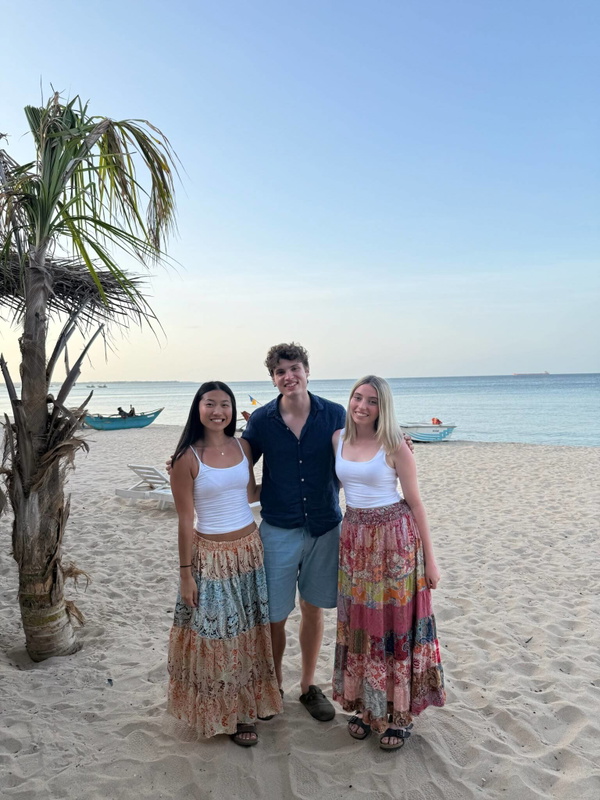
I went on my placement solo and ended up making lots of friends in the house. In the evenings we would often go to the hotel pool, explore the local markets, out for a few drinks in the local pubs, watch some cultural dancing, climb up Ambuluwawa tower and visit the Temple of the Tooth. One evening, I was invited to a religious celebration for Poson where the staff on the mental health ward were singing at the temple in the hospital grounds. This event was incredible to see, and many other staff members, patients and family members came to watch.
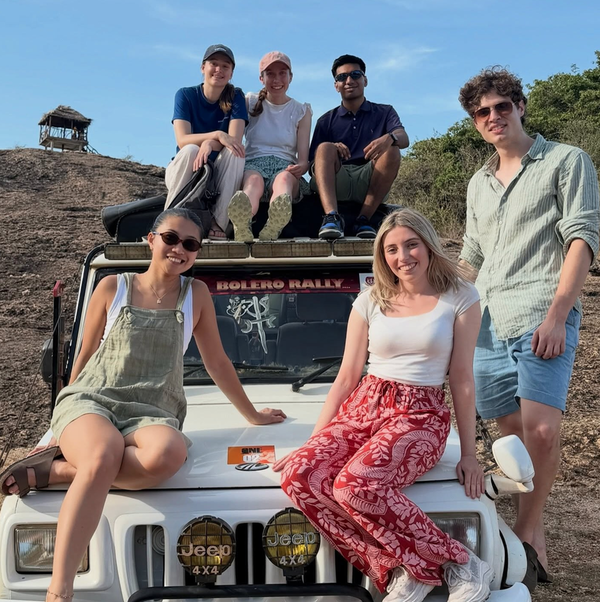
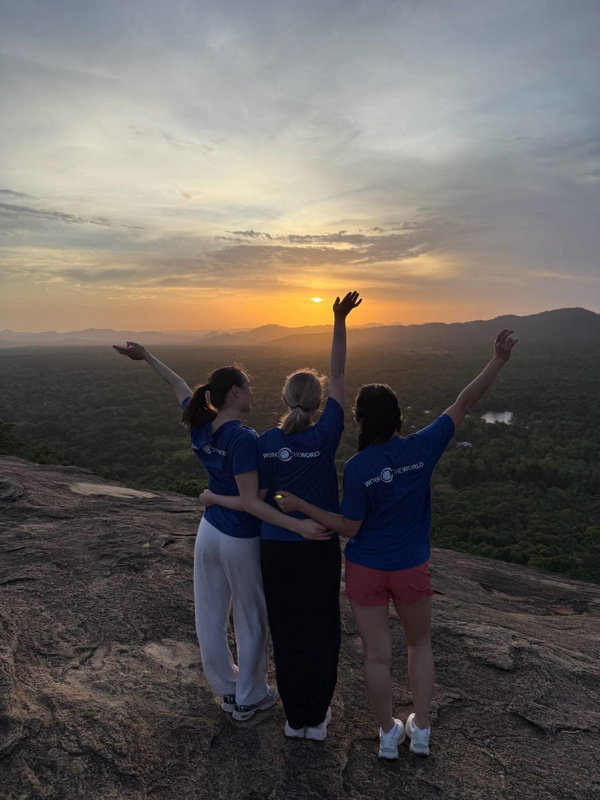
On the weekends, we went travelling as a group of six to Sigiriya, Ella and Trincomalee. In Sigiriya we went on a sunrise hike, to a spice garden, saw elephants on a safari, went to the ancient city of Polonnaruwa and hiked up Sigiriya Rock for sunset.
In Ella we visited one of my friend’s tea estates for a tour, hiked Little Adam’s Peak, swam in Diyaluma falls, went shopping and took the scenic train. The weather in Trincomalee was extremely hot, so we spent time snorkelling with turtles, relaxing, eating and visiting Koneswaran Hindu temple.
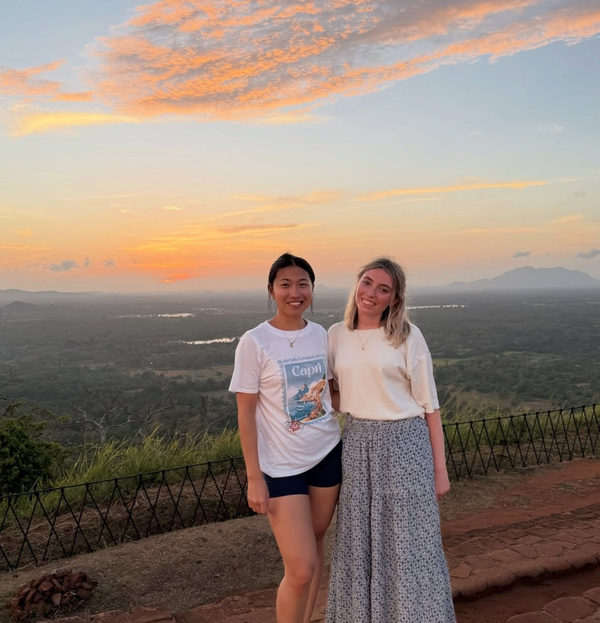
I would highly recommend travelling on the weekends! We all had so much fun, experienced Sri Lanka’s culture and traditions and made memories we will never forget.
Undertaking my placement overseas has been valuable as a newly qualified Occupational Therapist to enhance my cultural competence and provide me with the opportunity to experience a healthcare system which differs from the NHS.
I gained a greater understanding of how culture, religion, family values, and socioeconomic factors influence health beliefs, treatment decisions, and patients' engagement with healthcare.
My placement broadened my clinical knowledge through exposure to specialist areas such as hand therapy, plastic surgery, and electroconvulsive therapy (ECT), experiences that I may not have encountered during a UK placement. This was my first solo trip, and although I was initially nervous, it became one of the most rewarding experiences.
For future students considering a Work the World placement, I would encourage you to take every opportunity offered, introduce yourself to staff, ask questions, and make the most of every learning experience. If possible, stay for the full working day and immerse yourself in the placement. Most importantly, approach the experience with enthusiasm and a smile!

Start Your Journey
Want to go on your own once-in-a-lifetime adventure? Get started below: