Colete Robbins

My trip to Arusha_Tanzania
Colette Robbins (Medicine)

Having previously visited South Africa, I decided that I wanted to see more of Africa during my medical elective. After an evening hearing about different placements and talking to members of the team at Work the World about available opportunities I was convinced that Work the World was the best option for my elective.


I chose Arusha, in Tanzania, because of its proximity to the safari circuit, Kilimajaro, and easy access to Zanzibar.  And for the medical opportunities of course!  I've never made a better decision.

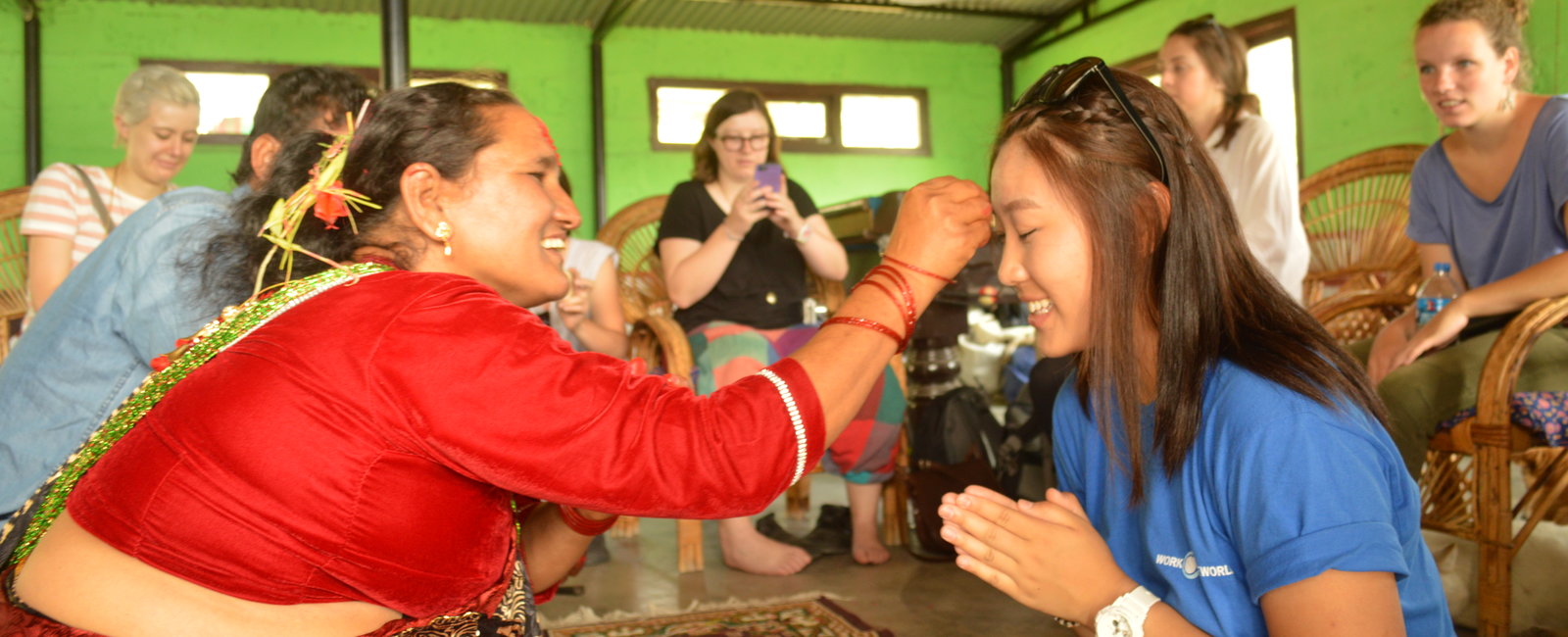
After more than 24 hours travelling including two plane changes, landing at the airport and being greeted by a smiling face in a Work the World hoody was wonderful!  I began to feel at home right away, with a swift Swahili lesson on the car journey to the house, and a warm welcome and freshly squeezed fruit juice on arrival.

General impression of life in Tanzania

Having arrived on a Saturday, I had time to sleep, meet the staff, and get to know a few of my new housemates before my orientation day on Monday, when we went into town on a daladala; the first of many jam-packed, bumpy, 12.5 pence journies!  After being shown the hospital where we would be working, buying a mobile phone, and spending half an hour at an internet café, we were taken for our first real Tanzanian meal.  We rinsed our hands under an outside tap, and ate our chicken, ugali (resembles stodgy rice, but is actually maize flour!) and beans with our fingers.  Quite an experience for the first day!

Many things were different from back home in the UK - too many differences to outline in this brief report - but one of the first things I noticed was 'Mzungu' ('white person') being shouted in our direction every few minutes, with people lining the streets wanting to greet us and trying to sell anything we would buy. 

It was exciting, experiencing a new place and totally different culture, but I was grateful to have someone with us with local knowledge to tell us where best to go, and comforted to know there was always someone there for extra support.  We were in a privileged yet naïve position, turning up and expecting to be accepted into a society so unlike that which we are used to.

What it's like at the hospital

Freddy, the Arusha Programme Manager, took us to Arusha District Hospital on the Tuesday.  Walking past the hoards of people waiting outside the gates, we went inside the hospital grounds to meet the Director before being taken to our supervisors for our individual placements.  My first placement was paediatrics, so I joined the morning hand-over, greeting the doctors with my very best Swahili 'Hujambo...habari...jina langu ni Colette'...and that was it, my entire vocabularly wiped out!  Even though my Swahili was rather limited, my attempt at using it seemed to cause amusement and started me off on the right foot: I would definitely advise giving it a go!  I was shown around the department then followed the ward-round. 

Whilst staff on the ward weren't impolite to me, they were too busy with patients to be friendly per se.  The ward was noisy and packed; each bed had at least 4 people in: 2 children and their mothers.  I could read the clinical notes because they were written in English, but many of the diagnoses were not those which I was accustomed to.  The prevelant diagnoses were malaria, pneumonia, meningitis and anaemia, and if the symptoms didn't really fit one of these, they were generally treated for malaria, just in case.  Practice was very different from the UK.

Undertaking placements at the hospital was a real eye-opener for me.  After completing my Paediatric rotation, I went on to General Medicine, then Obs and Gynae, where I was mainly on the labour ward.  Regardless of the area of medicine, there was one common theme that stood out: a lack of resources.  If drugs weren't available on-site - and they often weren't - a family member would be given a prescription for the nearest pharmacy.  Family are also responsible for hygiene and nutrition of the patients.  Labouring women are expected to bring with them cotton wool, gloves, and a suturing kit for inevitable perineol tears.

As a medical student, I felt ashamed that I could not do more to help the patients and embarrassed that people in the UK take our healthcare system for granted, even complain about it, having no idea about how incredibly fortunate we are.

Living at the house

The Work the World house at Themi Hill quickly became my home during my stay.  Staff there were fantastic, providing advice, support, friendship...and incredible food! 

Freddy welcomed and looked after everyone throughout their stay.  If you had questions about your placement, the area, or trips further afield, Freddy was always there with a smile on his face ready to help.  With Freddy's help, myself and other housemates organised a number of local trips and other excursions.  So I visited a local orphanage, made coffee at a nearby plantation, climbed a waterfall at Marangu, drank Kilimanjaro beer at the brewery, helped at a half-marathon, haggled at the markets in Zanzibar, saw a lion eat a zebra in the Serengeti, watched the sun rise standing on the Roof of Africa...and much more besides!   

If I had any worries about food in Tanzania, our cook Witness ruled them out right away!  There was always fresh fruit for breakfast, and a variety of other goodies to start the day, including doughnuts and pancakes!  Witness then spent the afternoon cooking up a mixture of dishes for dinner, with everything for vegetarians and meat-eaters alike.  And she always had time to have a quick chat and a sing-song, and show you a picture of her son Kelvin.  Thursday nights were the highlights of the week, guaranteeing a barbeque out on the balcony followed by partying into the evening.

As for learning the lingo, Swahili lessons were available once a week, and you could rely on practising your conversation every morning with Innocent at the gate and Immanuel on your way down the drive.

I could write so much about my time in Arusha, but unless you've tried it for yourself you'll struggle to appreciate the overwhelming experiences and memories I'll keep forever.  Living at the house more than 2 months I met many students and made friends I hope to keep in touch with for a long time to come, but above all I want to thank everyone at Work the World for making my medical elective a trip of a lifetime.

Colette Robbins, 2010